
See Erol’s First: The Arlington TV Repairman Who Ruled Friday Night
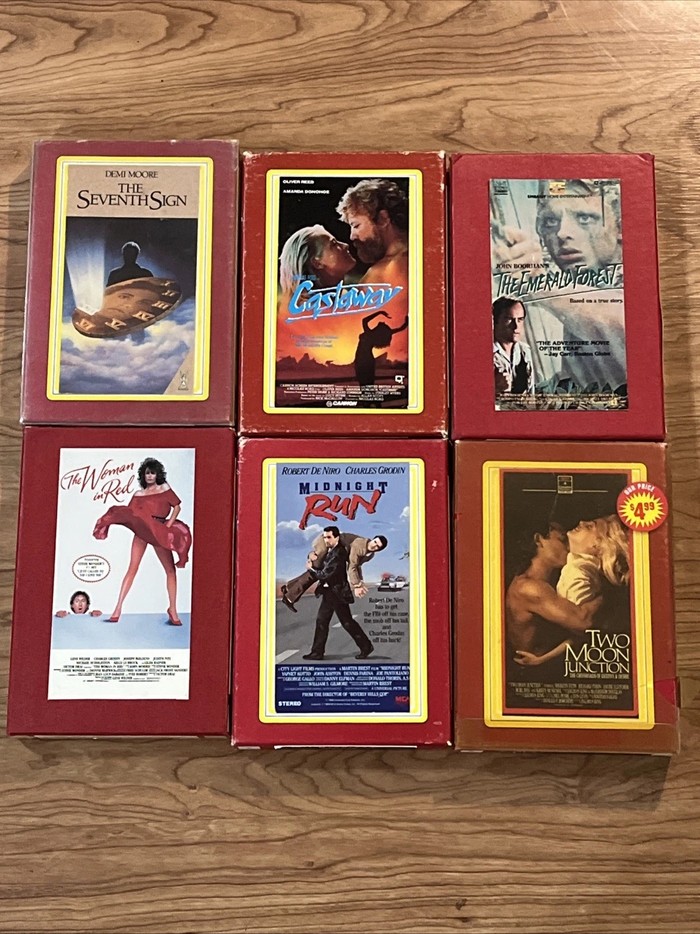
The membership card above, and the VHS tapes and card photographed further down in this piece, are all from a private Northern Virginia collection assembled during the Erol’s era.
If you grew up in Northern Virginia in the 1980s, Friday night had a liturgy. You piled into the car, drove to the shopping center, and walked into a store with a red-and-yellow sign to argue with your family over which two tapes were coming home. The store was Erol’s, the card in your parent’s wallet said “See Erol’s First,” and for one improbable decade a TV repairman from Arlington ran the largest privately owned video rental company in America.
Erol Onaran was born in Turkey in 1934 and came to the United States as a young electronics technician. In 1963 he went into business for himself selling and repairing televisions, and by 1975 he was running a TV repair shop on Columbia Pike in Arlington. For most of two decades, that was the whole story: a well-regarded local shop fixing picture tubes and selling sets in the age of three networks and rabbit ears.
Then the VCR arrived. In 1980, Onaran cleared out the manager’s office inside his Arlington TV store and started renting movie cassettes to customers as a side business. He called it a video club, and the timing could not have been better. VCRs were about to go from luxury gadget to living-room standard, and every household that bought one immediately needed something to play on it. The back-office experiment became stores, and the stores multiplied across Virginia, Maryland, and the District at a pace that startled the industry. By 1985, just five years after that first club, Erol’s was the largest privately owned videocassette rental company in the United States.
Membership was the heart of the model. You joined the club, you carried the card, and the card worked at any Erol’s. The chain ran its operation from Springfield in Fairfax County, first on Electronic Drive, a fitting street name if there ever was one, and it advertised relentlessly on local television. Here is an actual Erol’s commercial from 1984, thirty seconds of pure video-club optimism, complete with a scrolling wall of that year’s hits: Mr. Mom, Flashdance, Risky Business, Superman III.
An Erol’s Video television commercial from 1984, when the club was still a regional phenomenon on its way to becoming a national story.
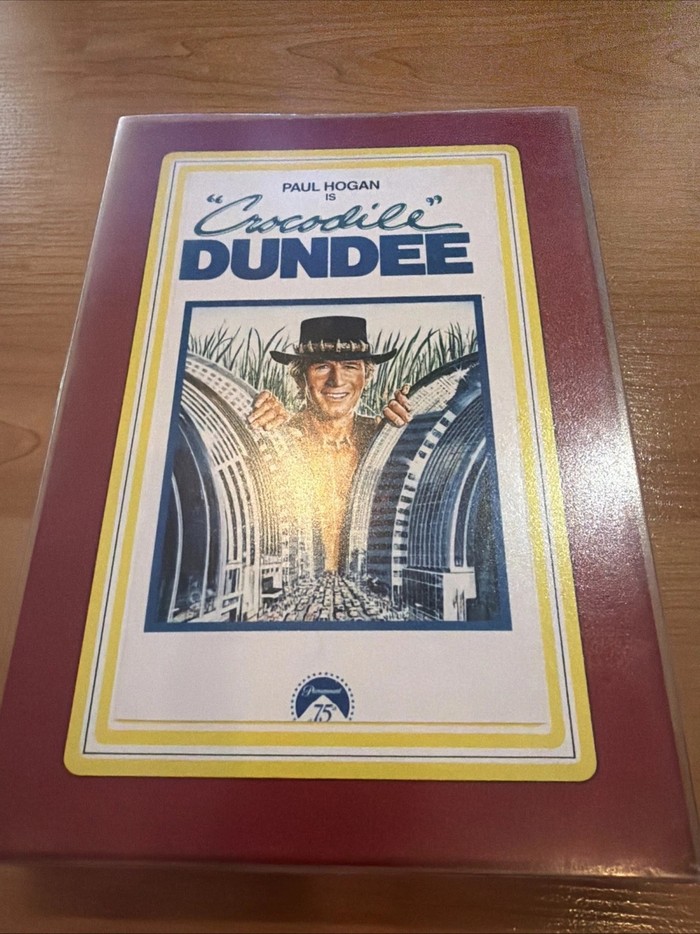
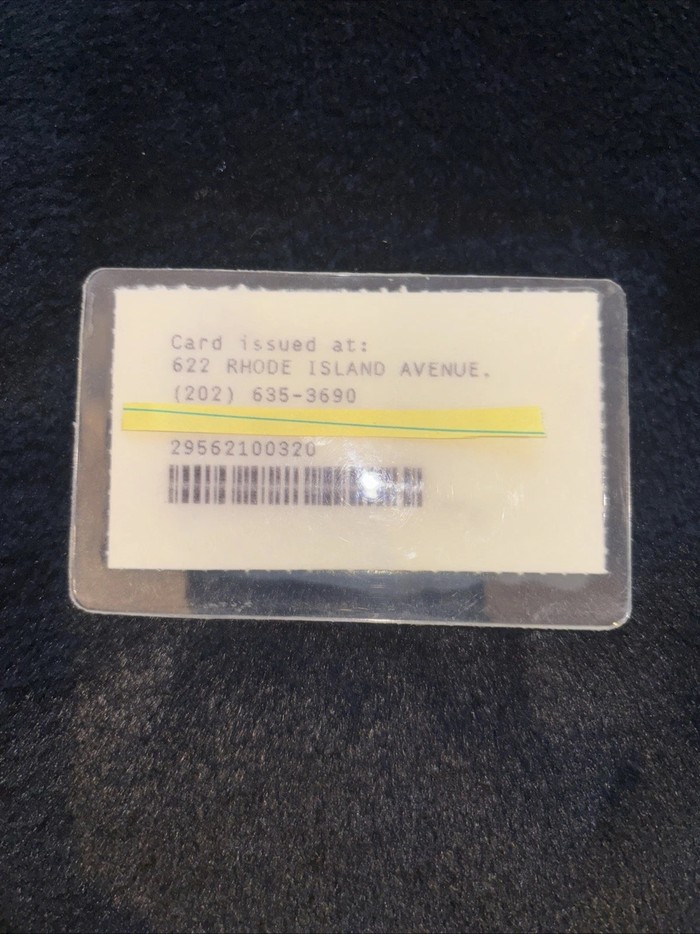
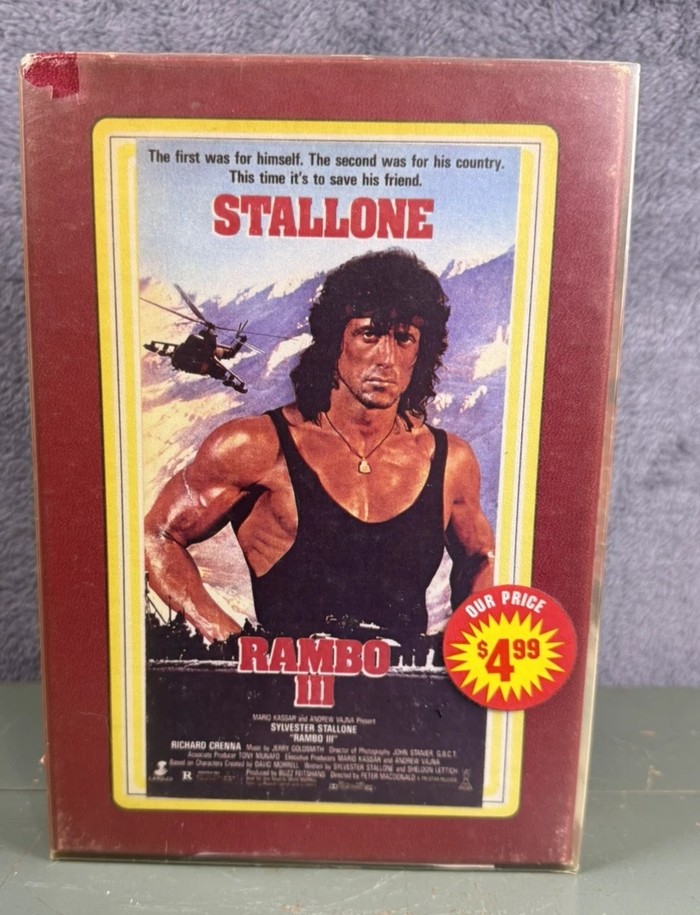
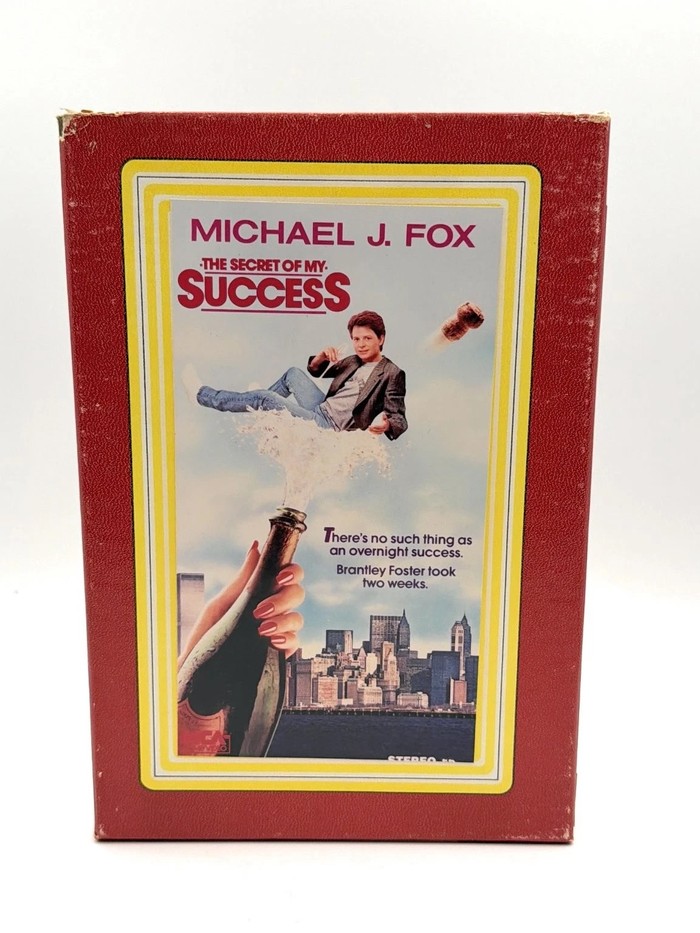
The end came fast, and it made the front page. On November 19, 1990, Erol’s agreed to sell its video business to Blockbuster Entertainment for 40 million dollars, a deal first reported by Mark Potts in the Washington Post. At the moment of sale, Erol’s operated 208 stores across five states and the District of Columbia and ranked as the third-largest video rental chain in the country. For Blockbuster, it was the largest acquisition the company had ever made, and it bought them instant dominance of the Washington market. The deal was big enough that Maryland’s attorney general took a look at the antitrust implications before the blue-and-yellow signs went up where the red-and-yellow ones had been.
Most founders would have taken the money and headed for a beach. Onaran took it and picked another giant to fight. He kept building on the electronics side of the business, and in the mid-1990s he launched Erol’s Internet from 7921 Woodruff Court in Springfield, signing up dial-up subscribers across the region as the Washington area’s homegrown answer to America Online. The man had a genuine talent for spotting the next thing the American living room was about to need. He died in 2005, having gone from repairing televisions on Columbia Pike to shaping two different eras of home entertainment.
The world Erol’s built outlasted the name for a while. Blockbuster converted the stores and ruled the 1990s; scrappy independents like Video Vault in Old Town Alexandria, with its proud slogan “Guaranteed Worst Movies in Town,” held out for the cinephiles until 2010, the same year Blockbuster itself went bankrupt. Streaming finished what the DVD started, and today the entire ritual survives mainly in memory, and in artifacts like the membership card above, still tucked in a drawer forty years after somebody signed up at the counter.
Did your family see Erol’s first? Tell us which store was yours. Share your story with NovaMuseum. Everyday institutions like this one vanish from public memory faster than any battlefield or monument, and that is exactly the gap this project exists to fill.
Sale details per Mark Potts in the Washington Post, November 20, 1990, with the antitrust angle per the Baltimore Sun the same day; company history per the Washington Post archive, Wikipedia’s Erol’s entry, and additional background via Ghosts of DC.